BLOG ·
Japanese Culture Trivia Even Many Japanese People Don't Know日本人でも意外と知らない!日本文化の「へぇ」な雑学
こんにちは、GADDE MUCHO 広報のミレルです!今日は「日本人でも意外と知らない」日本文化の雑学を、海外のみなさんにこっそりご紹介します。毎日あたりまえにやっていることにも、実は素敵な意味があるんですよ。
1. お辞儀には「種類」がある
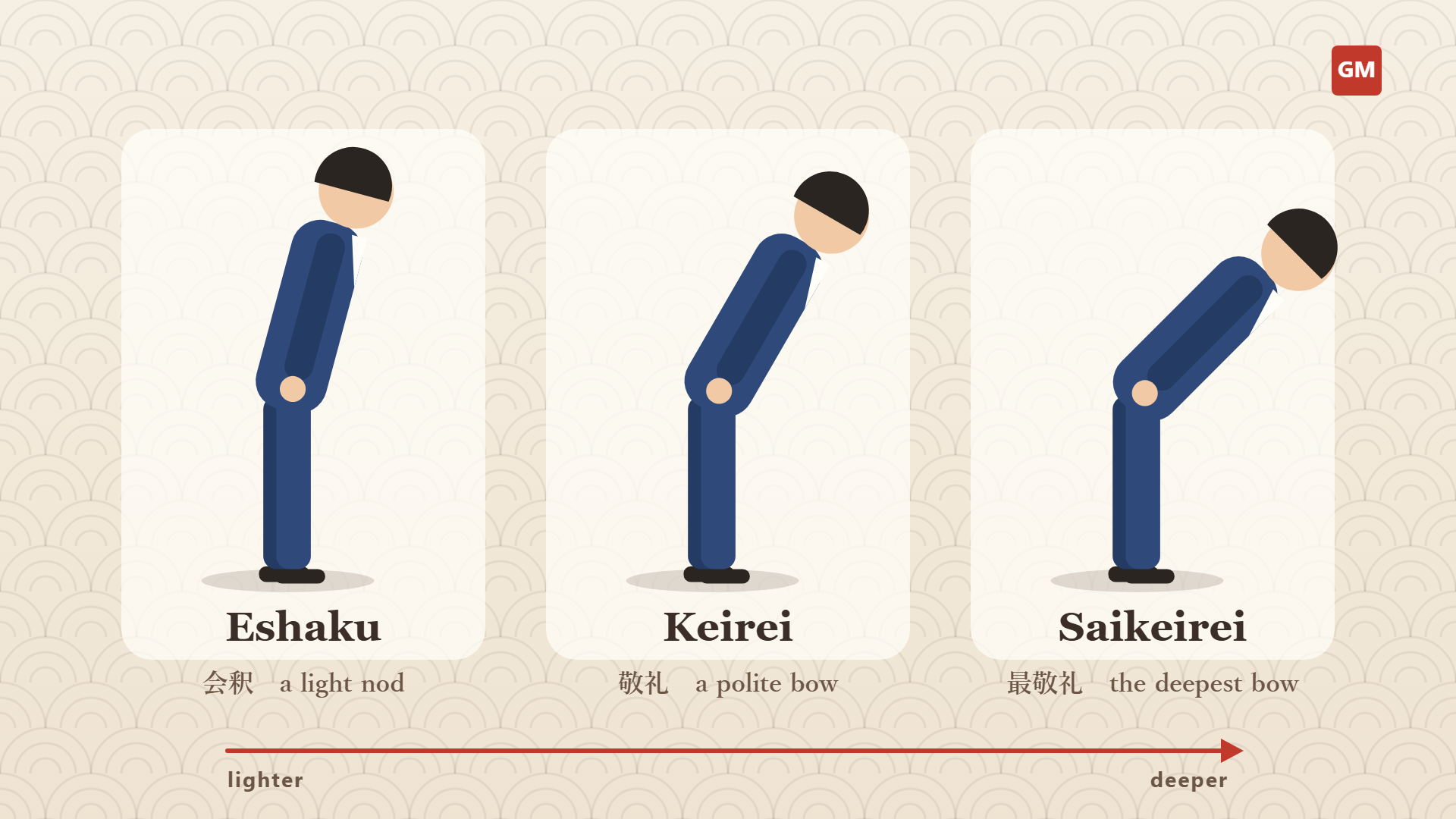
日本では、あいさつや感謝のときにお辞儀をします。実はこのお辞儀、頭を下げる深さによって種類が分かれていると言われています。軽く会釈をするもの、丁寧にあいさつをするもの、深い感謝やお詫びを表すものなど、場面に合わせて使い分けるのです。
ふだんは無意識にしていても、「今日はどのお辞儀かな?」と考えてみると、ちょっと面白いですよね。
2. 「いただきます」は誰に言っているの?
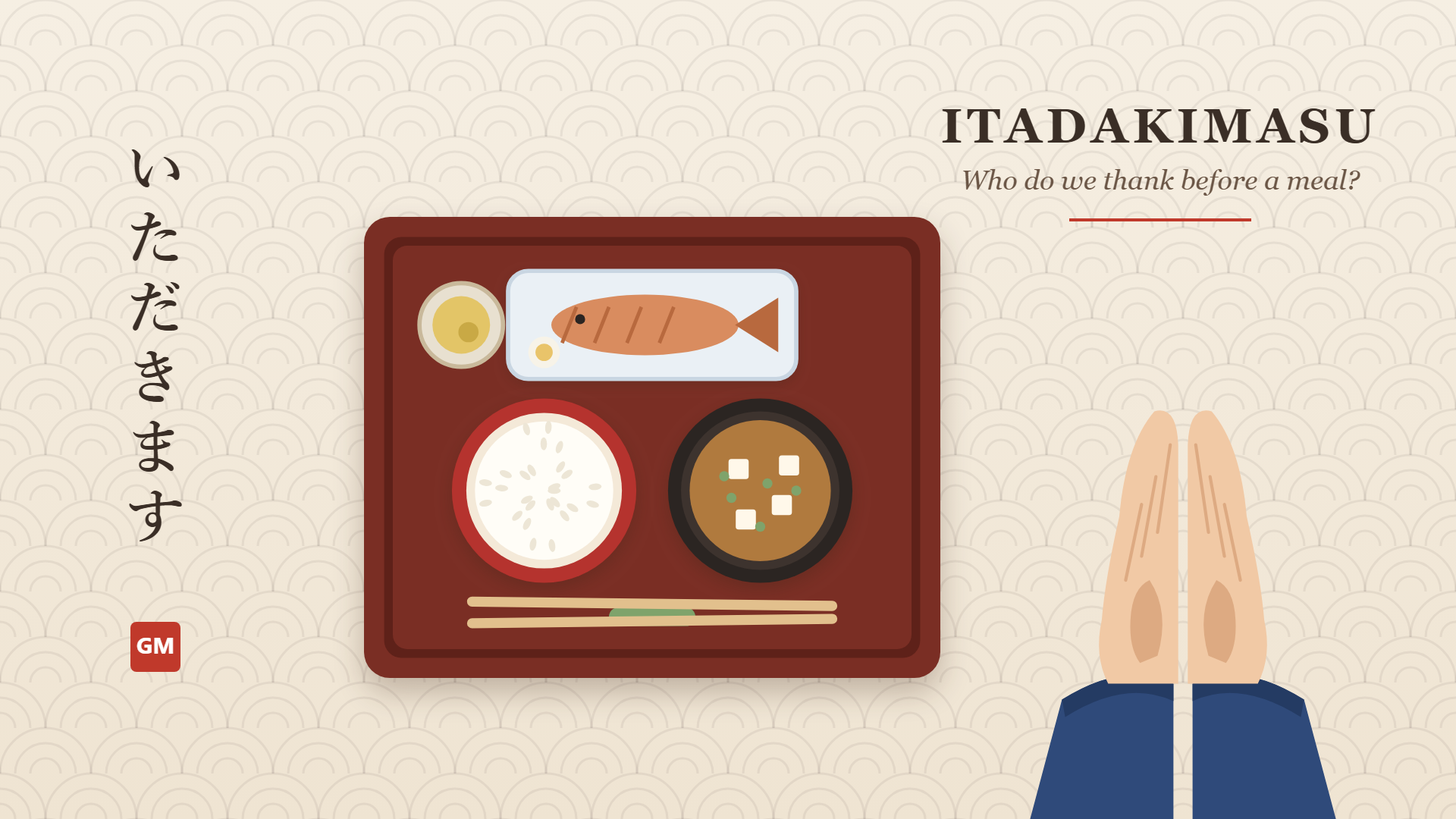
食事の前に手を合わせて言う「いただきます」。これは単なる合図ではなく、食材となった命や、育てた人、作ってくれた人への感謝の気持ちを込めた言葉だと言われています。

海外の方に「あの言葉は英語に訳しにくい」と言われることもあります。感謝をそっと添える日本らしい習慣ですね。
3. 季節を細かく分ける「七十二候」
日本には、一年を約5日ごとの72の季節に分けた「七十二候」という昔の暦の考え方があります。「東風が氷を解かす」「桜が咲き始める」のように、自然の小さな変化に名前をつけているのです。
日本人でも、すべてを知っている人は多くありません。でも、季節の変わり目を丁寧に感じ取ろうとする心は、今も暮らしの中に息づいています。
小さな「へぇ」が日本をもっと楽しくする
- お辞儀は、深さで気持ちを使い分ける
- 「いただきます」は、感謝を込めた言葉
- 七十二候は、季節の小さな変化を楽しむ暦
こうした日本らしい細やかな心づかいは、私たち GADDE MUCHO が大切にしたいものにも通じています。これからも、日本の魅力を楽しい形でお届けしていきますね。
公式サイトも、ぜひのぞいてみてください。みなさんが知っている日本の「へぇ」も、ぜひ教えてください!
Hi, I'm Mirel from GADDE MUCHO's PR team! Today I'd love to share some Japanese culture trivia that even many people in Japan don't know. Things we do every day often have lovely meanings behind them.
1. There Are Different Kinds of Bows
In Japan, we bow to greet people and to say thank you. What many don't realize is that bows are said to come in different types, depending on how deeply you bend. There's a light nod, a polite greeting bow, and a deep bow for sincere thanks or apologies. People choose the one that fits the moment.
We often do it without thinking, but it's fun to wonder, "Which bow is this one?"
2. Who Are We Saying "Itadakimasu" To?
Before a meal, we put our hands together and say "itadakimasu." It's more than a signal to start eating. It's said to express gratitude for the lives that became our food, and for the people who grew and prepared it.
Visitors sometimes tell us the phrase is hard to translate. It's a gentle, very Japanese way of adding thankfulness to the table.
3. A Calendar with 72 Tiny Seasons
Japan has an old calendar idea called "shichijuni-ko," which divides the year into 72 mini-seasons of about five days each. Each one is named after a small change in nature, like "the east wind melts the ice" or "cherry blossoms begin to bloom."
Even in Japan, few people know all 72. Still, the habit of noticing subtle seasonal changes is alive in everyday life.
Small Discoveries Make Japan More Fun
- Bows express different feelings through their depth
- "Itadakimasu" is a word full of gratitude
- The 72 mini-seasons celebrate tiny changes in nature
This kind of thoughtful attention to detail is something we at GADDE MUCHO care about too. We'll keep sharing the charm of Japan in fun ways.
Please take a peek at our official website, and tell us your favorite Japanese discovery!